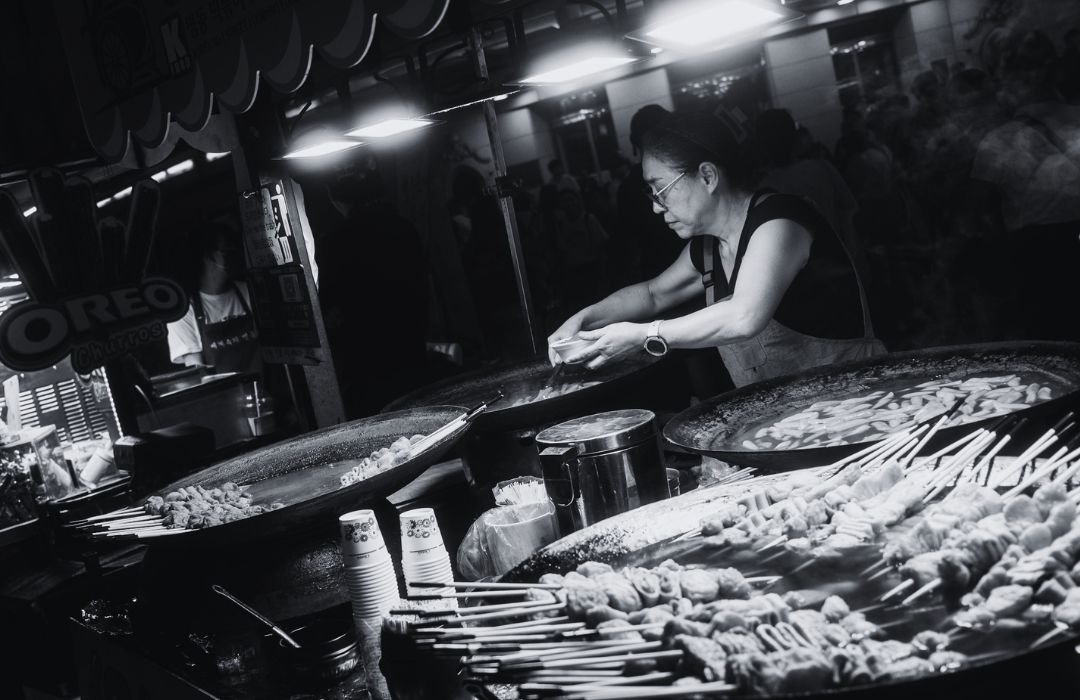
Is photography art?
It seems like a simple question, but the answer becomes more complicated the longer I think about it. A camera can document a family gathering, record an important event, advertise a product or capture evidence. Not every photograph is necessarily created as art.
Yet photography can also express an idea, preserve an emotion and reveal something that most people would otherwise overlook.
For me, photography becomes art when it goes beyond recording what was in front of the camera. It becomes art when the photographer makes intentional choices and uses an image to communicate a personal way of seeing the world.
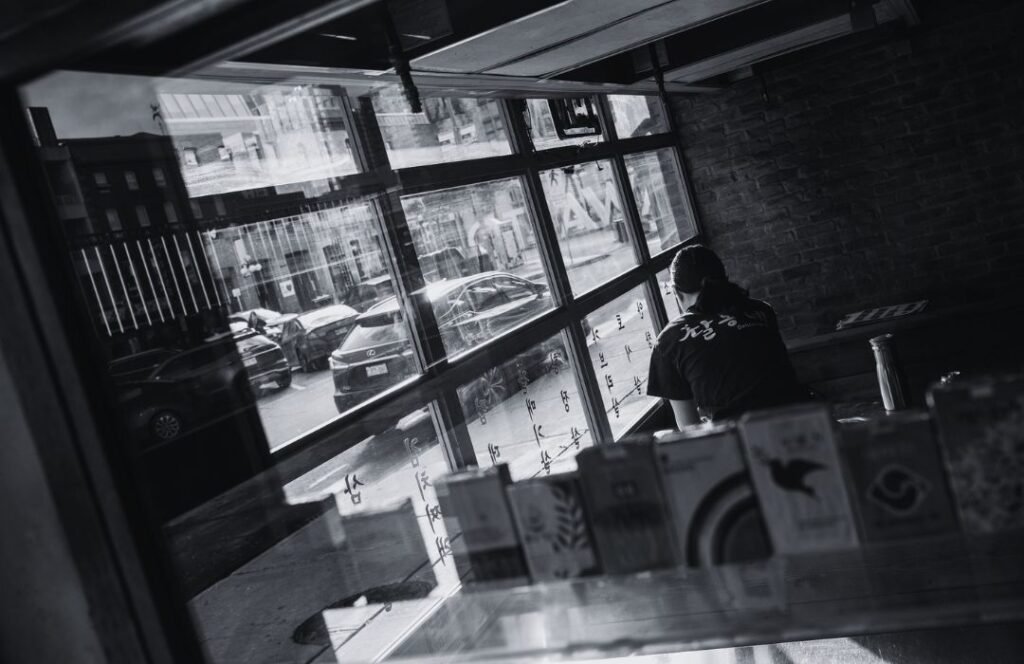
“The whole point of taking pictures is so that you don’t have to explain things with words.”
– Elliott Erwitt
A Camera Records, but a Photographer Creates
A camera is designed to record light. Point it toward a scene, press the shutter and it produces an image.
This mechanical process is one reason some people have questioned whether photography should be considered art. A painter creates an image by hand, while a photographer begins with something that already exists.
But a camera does not decide what deserves attention.
The photographer chooses where to stand, what to include, what to leave outside the frame and when to press the shutter. The photographer also considers the light, perspective, composition, colour and atmosphere.
Two people can stand in exactly the same location with similar cameras and produce completely different photographs. One may focus on the architecture, while the other notices a person walking through a patch of light. One may create a wide image showing the entire environment, while the other isolates a small and quiet detail.
The camera records the scene, but the photographer decides how we will experience it.
Photography Is an Act of Selection
Unlike a painter, a photographer does not usually begin with an empty canvas. The world is already full of people, objects, colours, movement and visual distractions.
The creative act begins with selection.
Photography asks me to look at everything in front of me and decide what matters. From countless possible subjects and moments, I choose one frame.
That frame may exist for only a fraction of a second. A person moves, the light changes or an expression disappears. The photograph preserves my decision to pay attention at that particular moment.
This is especially important in street and travel photography. I cannot control everything happening around me, but I can observe, anticipate and respond. My creativity comes from recognizing a meaningful arrangement within the ordinary world.
Intention Can Transform an Image
Not every photograph needs a deep meaning. Sometimes we take pictures simply because we want to remember a person, place or experience. Those photographs still have value.
However, intention can transform photography into something more expressive.
Before taking a photograph, I might ask myself what attracted me to the scene. Was it the light, the emotion, the symmetry, the loneliness or the relationship between the people and their surroundings?
I may want the image to feel peaceful, uncomfortable, nostalgic or mysterious. My technical and creative choices then support that intention.
A darker exposure can create a different feeling from a bright one. A close composition can make a moment feel intimate, while a wide frame can emphasize distance or isolation. Black-and-white processing may draw attention to shape, contrast and emotion instead of colour.
These choices are part of creating art. They allow a photograph to communicate more than a literal record of what happened.
Art Does Not Require Complete Control
A painter can invent a landscape, change the sky or move an object to another part of the composition. Photographers often have less control, particularly when documenting real life.
But limited control does not eliminate creativity.
Sometimes the strength of photography comes from the relationship between control and chance. The photographer prepares, watches and waits, but something unexpected completes the image.
A stranger enters the frame. A reflection appears in a window. A cloud briefly changes the light. Two unrelated elements align for a moment and create a connection.
The photographer did not manufacture everything in the scene, but they recognized its potential.
This ability to notice is one of the artistic skills photography develops. It teaches us to remain alert to moments that cannot be repeated.
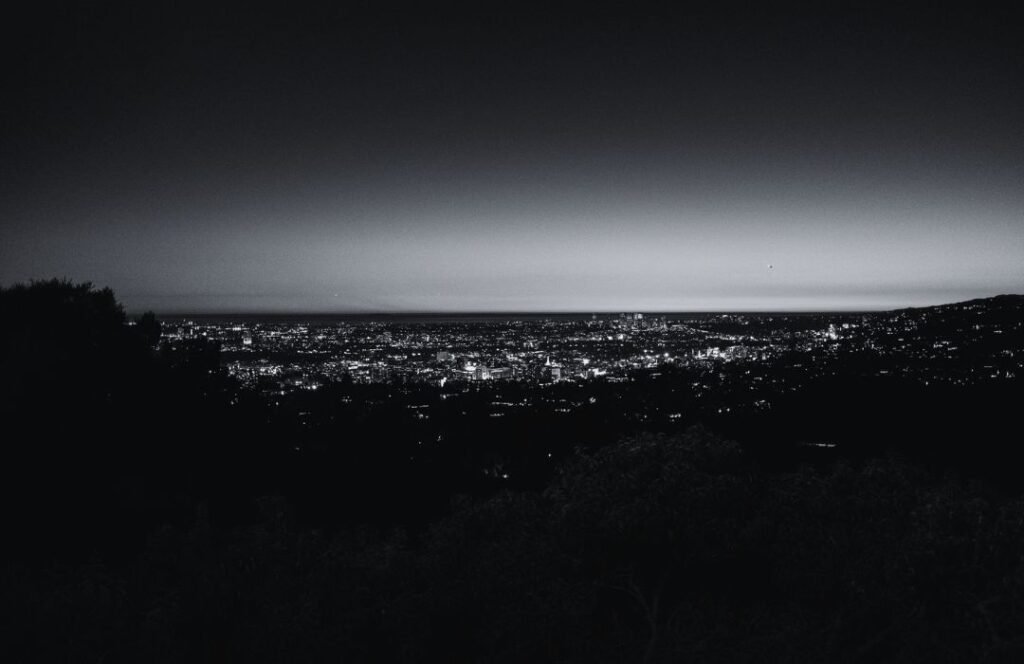
Photography Has Its Own Visual Language
Like painting, music and writing, photography has a visual language.
Photographers communicate through composition, light, shadow, colour, contrast, timing and perspective. These elements influence how viewers respond to an image, even when they cannot explain why.
Leading lines can direct the eye. Empty space can create calmness or isolation. A low angle can make a subject appear powerful, while a distant viewpoint can make the same subject seem small.
Light can reveal certain details while hiding others. Colour can create energy, harmony or tension. Timing can turn an ordinary movement into a meaningful gesture.
Learning photography is partly about understanding this language. Creating art is about using it to express something personal.
Does Editing Make Photography Less Authentic?
Digital editing has added another layer to the debate over whether photography is art.
Some people believe a photograph should show exactly what the camera captured. Others see editing as an essential part of the creative process.
I believe the answer depends on the purpose of the photograph.
News and documentary images should follow ethical standards because viewers expect them to represent events accurately. Heavily altering those photographs could mislead people.
Artistic photography has different possibilities. Adjusting exposure, contrast, colour or cropping can help the photographer communicate the feeling they experienced when taking the image.
Editing does not automatically make a photograph less authentic. Cameras do not reproduce the world exactly as our eyes and minds experience it. Every lens, sensor and camera setting already influences the result.
For me, the important question is not whether a photograph was edited. It is whether those changes support the photographer’s honest creative intention.
A Photograph Can Be Technically Imperfect and Still Be Art
It is easy to become focused on technical perfection.
We compare sharpness, dynamic range, lenses, sensors and camera specifications. These things matter because technical knowledge helps us create the images we imagine.
But a perfectly sharp photograph is not automatically meaningful.
An image can be slightly blurred, grainy or imperfectly exposed and still communicate something powerful. Sometimes those qualities even strengthen its mood.
A technically excellent photograph may impress me for a moment, but an emotionally honest photograph can remain in my mind much longer.
Art is not only about demonstrating control over equipment. It is about using whatever tools are available to create a response in another person.
The Viewer Also Completes the Photograph
A photograph does not have only one meaning.
The photographer brings an intention to the image, but every viewer brings personal experiences, memories and emotions. A quiet street might feel peaceful to one person and lonely to another. An old building might represent decay, history or home.
This does not mean the photographer’s intention is unimportant. It means that art becomes a conversation between the person who creates it and the person who experiences it.
Sometimes viewers discover something in my photograph that I did not consciously recognize when I made it. Their interpretation helps me see my own work differently.
That exchange is one of the reasons photography can be art. The image continues to create thoughts and feelings after the original moment has passed.
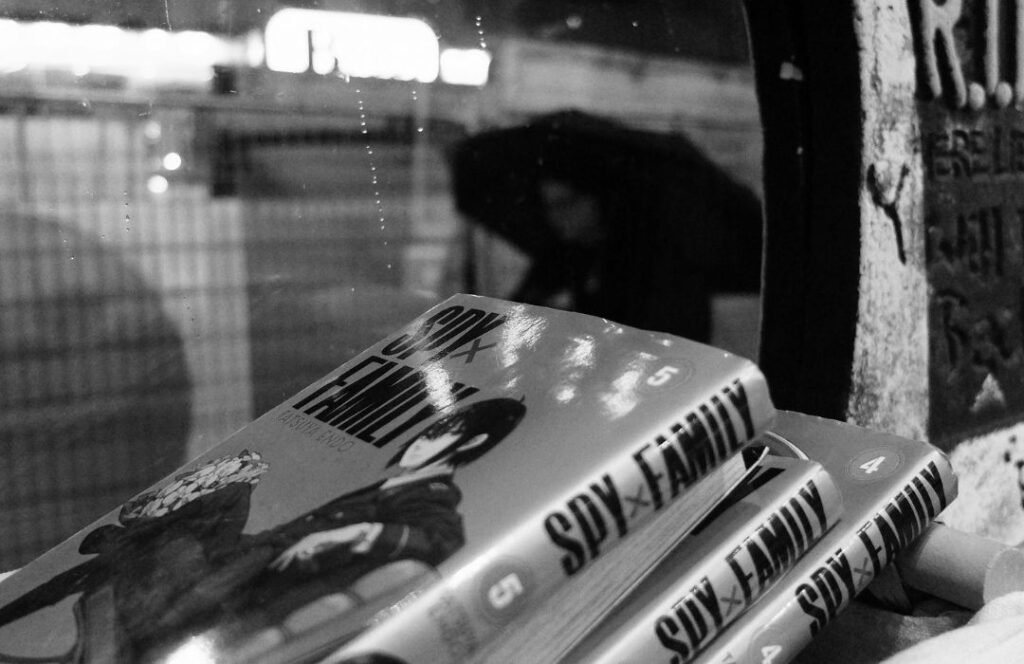
Photography Helps Me Notice Ordinary Life
Photography has changed the way I experience everyday places.
Without a camera, I might walk past a familiar street without giving it much attention. When I am photographing, I notice the direction of the light, the colours of the buildings, the shapes created by shadows and the small interactions happening around me.
The camera gives me a reason to slow down and observe.
Some of my favourite images are not of famous landmarks or dramatic landscapes. They are photographs of ordinary scenes that briefly became extraordinary because of the light, timing or emotion.
These images remind me that art does not always require a grand subject. It can begin by paying closer attention to the life already around us.
This way of seeing is central to the photography and travel stories I share on this website.
When Does a Photograph Become Art?
I do not think there is a universal checklist that can determine whether every photograph is art.
A photograph may become art through the photographer’s intention, creative decisions and emotional connection to the subject. It may also become art through the response it creates in the viewer.
The equipment does not decide. An expensive camera can produce an ordinary image, while a phone can capture something thoughtful and moving.
The subject does not decide either. A mountain, a stranger, an empty chair or a reflection in a puddle can all become part of an artistic photograph.
What matters is how the photographer sees and interprets the subject.
Is Photography Art? My Answer
Yes, I believe photography is art—but not simply because someone pressed a shutter button.
Photography becomes art when it reflects curiosity, intention and a personal point of view. It is art when the photographer makes choices that help us see a person, place or moment differently.
A camera may capture what existed in front of it, but a photograph can reveal what the photographer noticed, felt or imagined.
That distinction matters to me.
Photography is not only a way to document where I have been. It is how I pay attention, preserve memories and express ideas that may be difficult to explain with words.
It allows me to find meaning in ordinary scenes and share my way of seeing with someone else.
That is why, for me, photography is more than a record of reality. It is an interpretation of reality—and that is where the art begins.
I hope to continue exploring these ideas through my photographs and other personal reflections.
Leave a Reply